Tuesday, 4 March 2014

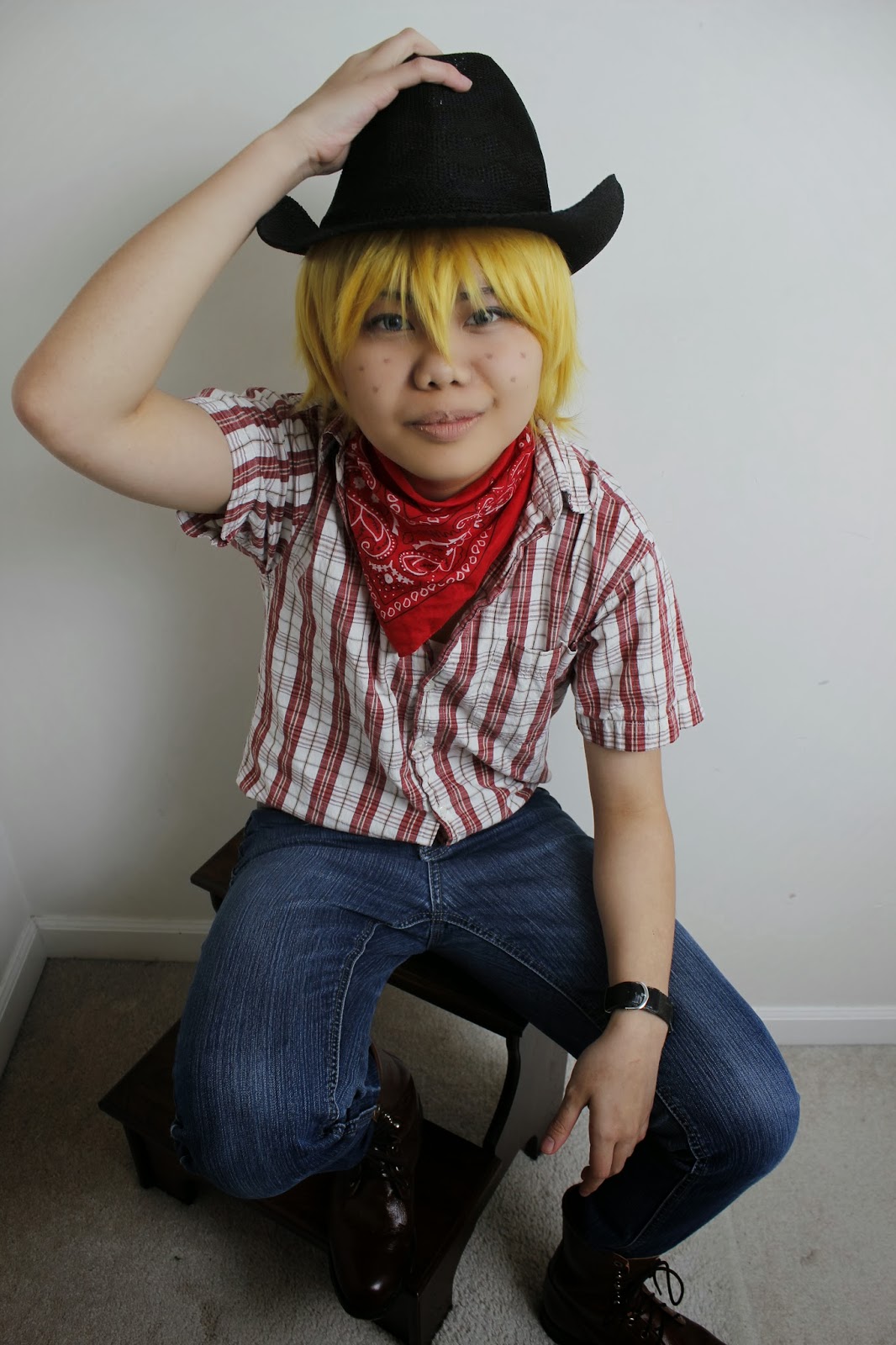
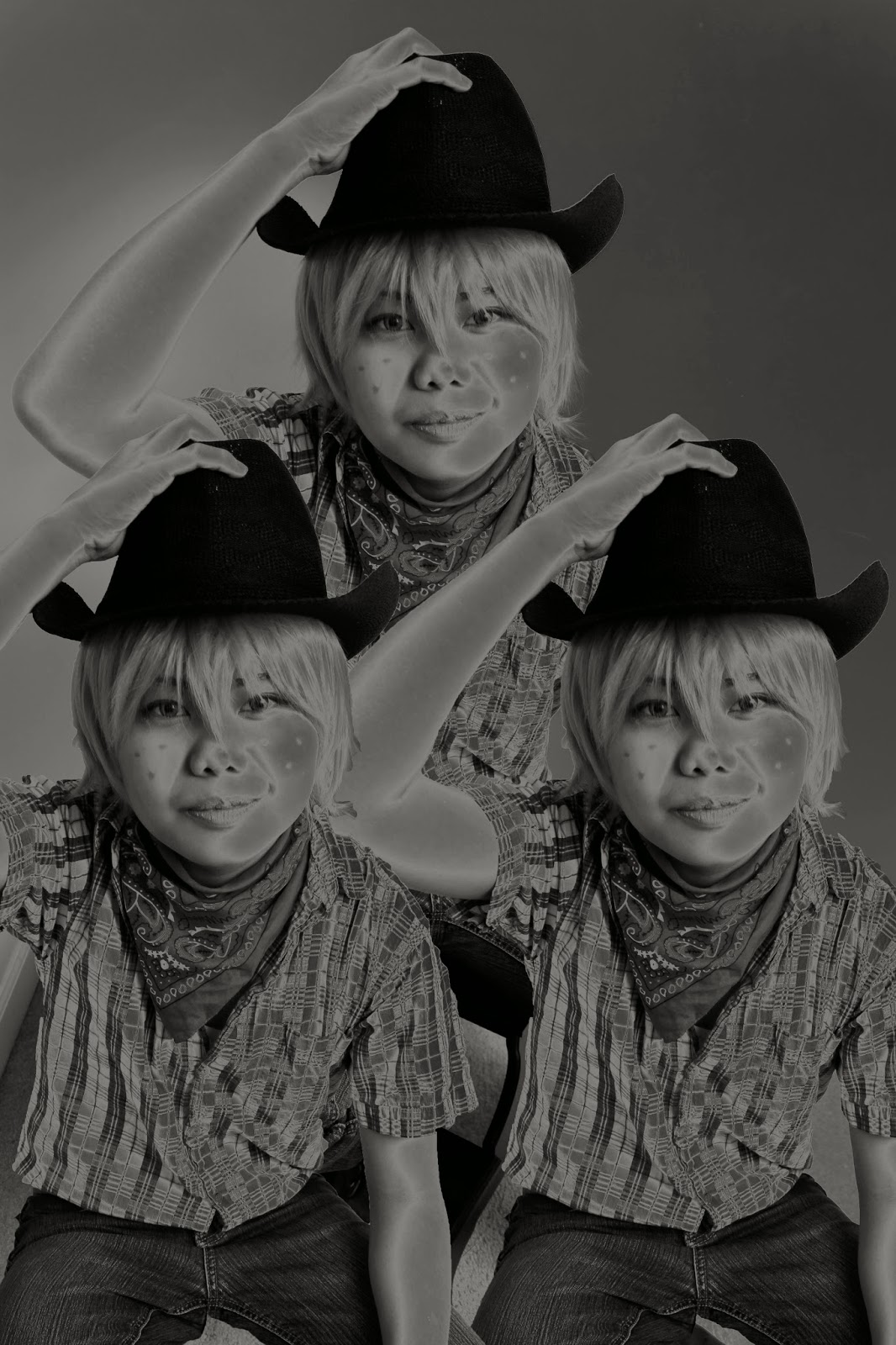
Photshop Project

Dodge and Burn
invert
Double exposure


Solarize
Black and White

Color

Color Vignette


Monday, 3 February 2014

Random Roll-Jan

January Random Roll-Doggie (Rex)


Random Roll Contact Sheet

Thursday, 9 January 2014

Pictures of 2013


My Favorite News Story (serious)
A hibiscus flower blossoms after emit volcanic ash
at Mount Sinabung in Sumatra on Nov. 19.

I chose this picture because this shows hope although tragicity has been involved.
A Fun One
The boys are watching the basketball game in Bergholz, Ohio
People celebrated the farewell picnic for Burkholder as he was sentenced to prison
 because his part in the hair and beard cutting scandal.
I chose this picture because it's cute.
A Strong Composition.
This is at West Midland,
When firefighters tackle a large blaze at a recycling plant in central England on July 1, 2013.
They controlled the fire in plastic.
I chose this picture because it shows it shows what we are doing to our envirment.

Saturday, 4 January 2014

Painting with Light


Painting with light toward the camera

Painting with light toward the subject

Painting with light with a flash

Multiple exposures

Slow blur with stoppage time

Experiment

Painting with Light - Contact sheet

Tuesday, 3 December 2013

The Sutter Vocabulary

  1. SLR-  stands for single-lens reflex. This is a camera that uses mirror and prism system.
  2. TLR- stands for twin-lens reflex. It is a camera that has two objective lenses of the same focal lenght and the other lens view the objective and reflected in a consists of a 45-degree with a  mirror.
  3. Shutter-a device that allows light to pass for a determined period of time and capture a  image of a scene that you wish to be taken.
     
  4. Shutter Speeds- The amount of time that the shutter is open (The thing the shutter do)
  5. Bulb- to obtain shutter speeds slower than the maximum offered in camera
  6. Cable Release- an attachment that screws into a shutter release, allowing you to trip the shutter mechanically while being isolated from the camera

  7. Tripod-  three-legged frame, used as a platform for supporting the weight and maintaining the stability while taking picture
  8. Light Meter- device used to measure the amount of light
  9. Bracketing- Taking several shots of the same subject using different camera settings
  10. Hot Shoe- a mounting point on the top of a camera to attach a flash unit
Slow Shutter Speed


Fast Shutter Speed


Painting With Light
Panning


Mutiple Exposures

Monday, 2 December 2013

Aperture and Depths of Fields

My Aperture Assignment
   F 1.8

  F 8.0

                          F 22.0

                                          Aperture and Depths of Fields Contact Sheet


Friday, 29 November 2013

Aperture & Depth of Field Definitions


1. List Standard Aperture/F-stops from brightest exposure to darkest-
2. Aperture Priority- Selects a shutter speed to match. The camera will ensure proper exposure. Shutter priority is where the user picks a shutter speed with the camera selecting the aperture to match the program's mode.
3. Ambient Light- General lighting, Comfortable level of brightness
4. Artificial Light- Light that is not natural (Room Light)

5. ASA/ISO/Film Speed- Film speeds, 100 speed film is “slow” or not very sensitive, it needs a lot of light to make an exposure. 3200 speed film is “fast” or very sensitive.
6. Bracket- Taking several shots of the same subject using different camera settings

7. Depth of Field- The distance between the nearest and farthest objects in a scene that appear sharp/clear in an image
8. Exposure Triangle-  the 3 element are needed
  1. ISO – the measure of a digital camera sensor’s sensitivity to light
  2. Aperture – the size of the opening in the lens when a picture is taken
  3. Shutter Speed – the amount of time that the shutter is open

    a change in one of the elements will impact the others.
9. How to Control Depth of Field- The image you normally see through the viewfinder or on the Live View screen is displayed at the lens’s maximum, or widest, aperture. Pressing the Depth of Field or preview button allows you to view the scene at the working aperture, so that you can see what areas will appear sharp. There’s a range of ways to control the depth of field – the choice of aperture, focus distance and the type of camera. 

10. Light Meter- device used to measure the amount of light

F 4 and F 16